
How to Prevent Your Phone Dying Outdoors and Keep Your Phone Battery Alive

Preventing your phone dying outdoors isn’t just about convenience—it’s about safety, navigation, and making sure your outdoor adventure doesn’t turn into an accidental survival reality show. When your phone battery drains too quickly, or your phone battery from dying unexpectedly in cold conditions, you lose access to maps, emergency numbers, weather updates, and your ability to stay powered when it matters most. Whether you’re hiking, camping, or exploring new terrain, knowing how to keep your phone, protect your phone battery, and preserve battery life can literally change the outcome of your trip.
This detailed guide breaks down everything you need—from understanding battery drain and extreme temperatures to using airplane mode, lowering screen brightness, learning how to insulate and keep your phone warm, and packing the right gear like a battery pack or solar charger. You’ll learn why cold temperatures cause problems, how to conserve battery, how to extend battery life, and how to keep your phone batteries healthy and functional outdoors so you can consistently prevent your phone dying outdoors.
Let’s dive into the essential tips every hiker and camper should know to prevent your phone dying outdoors, keep your mobile phone safe, and ensure your device performs its best even in challenging environments.
Why Preventing Your Phone Dying Outdoors Matters
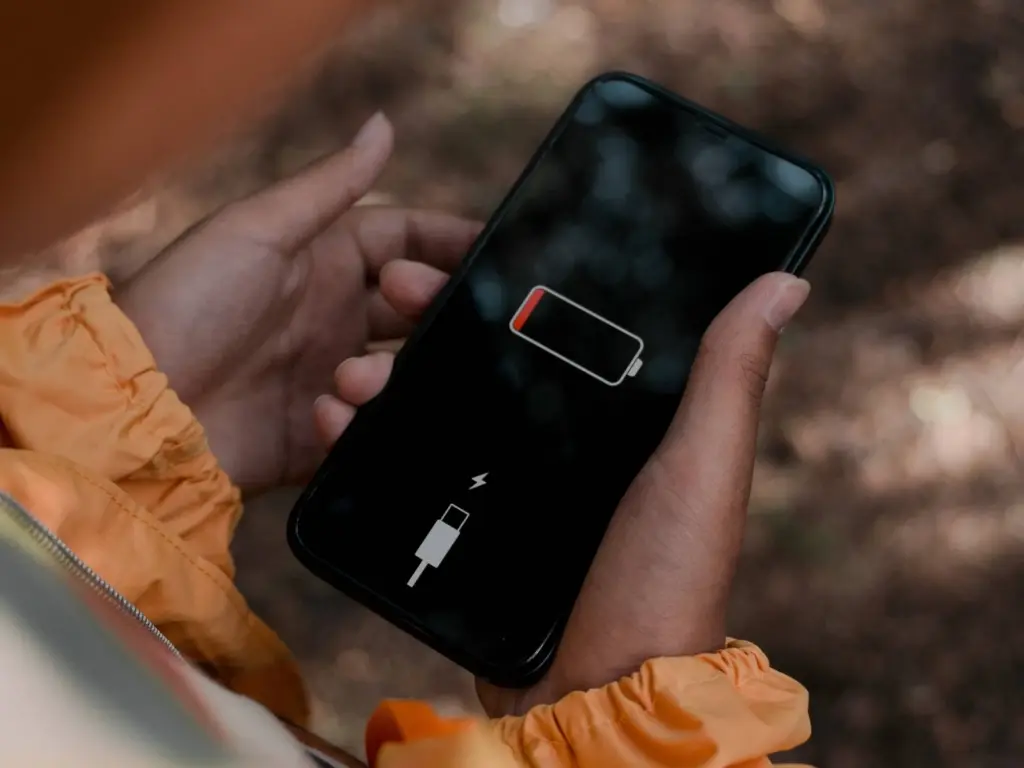
The Real Dangers of Losing Phone Battery While Hiking
When your phone battery dies outdoors, the consequences hit harder than most people expect. It’s not just losing access to Spotify or your camera. It’s losing your phone for navigation, your safety information, your map, your compass, your weather alerts, and your ability to call for help when things go wrong. And let’s be real—mountains, forests, and trails don’t exactly come with free Wi-Fi and charging outlets. Once your battery goes flat, you’re on your own.
Most hikers don’t realize how quickly battery drain can happen outside. Your phone’s battery can struggle because of weak reception, direct sunlight, or extreme temperatures, and once the battery dies, you’re suddenly relying on memory and luck to find your way. That’s not exactly the strategy you want while miles from civilization.
Psychologically, the stress of losing your only communication tool can make small issues feel bigger. One wrong turn feels more dangerous. A simple noise in the woods feels suspicious. Decision-making declines, which increases the risk of getting lost or injured. The emotional spiral is real—and avoidable.
That’s why you should always keep your phone charged, preserve battery power, and have a plan to prevent your phone dying outdoors and stay powered throughout the whole trip. Being prepared isn’t paranoia—it’s smart adventure management.
Why Phone Batteries Drain Faster Outdoors

Outdoors, your phone battery doesn’t behave normally. It drains differently, faster, and sometimes dramatically. Cold temperatures slow down the chemical reactions inside phone batteries, causing the device to show inaccurate battery levels or even shut down unexpectedly. Your phone might jump from 40% to 2% in seconds because the battery can’t operate in extremely cold or freezing weather.
On the other hand, direct heat and extreme heat can cause long-term damage and permanently affect battery health. When your phone overheats, it uses extra power to try to cool down, leading to additional battery drain.
Reception also plays a major role. Outdoors, where signal is weak, your device constantly pings cell towers, burning energy rapidly. Add GPS tracking, camera usage, high screen brightness, and background activity, and it’s no wonder keeping your phone battery alive becomes a challenge.
Understanding this is step one. Step two is learning how to conserve battery life, insulate, keep your phone warm, and prevent your phone dying outdoors even in harsh environments.
For a deeper look at how temperature and usage affect phone batteries, check the official Apple guide on iPhone battery performance.
Essential Tips to Prevent Your Phone Dying Outdoors
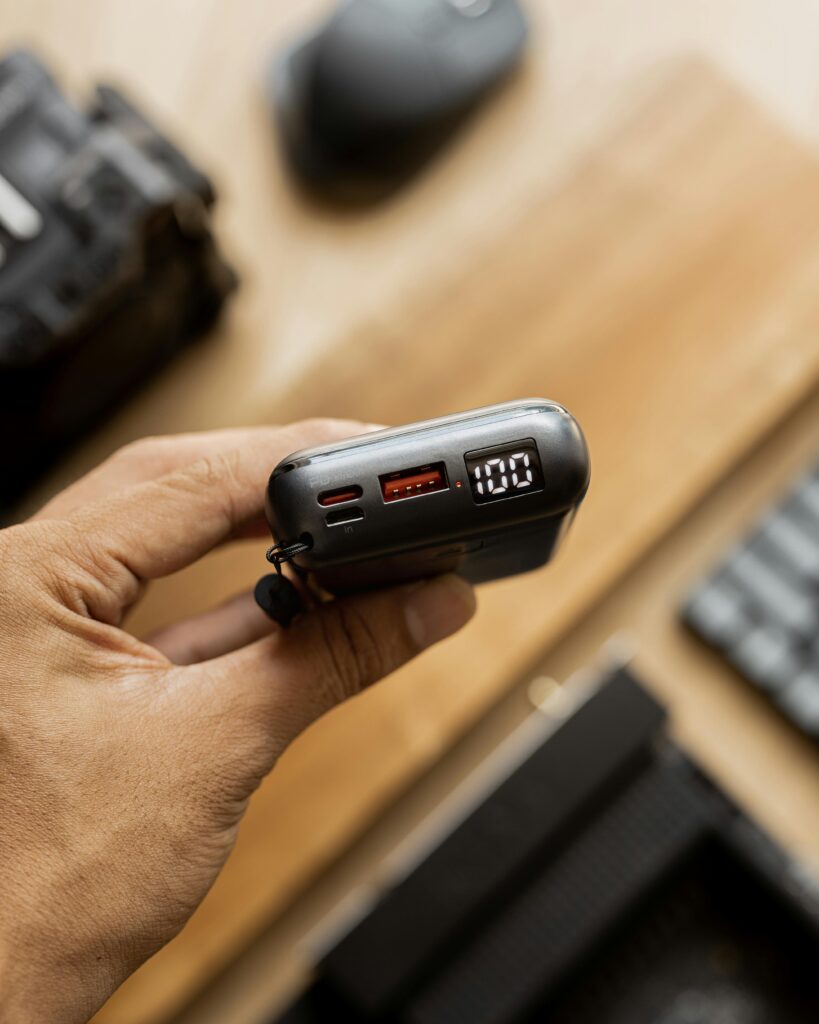
Start With a Full Charge, Lower Screen Brightness & Close Background Activity
Before stepping outside, your phone needs to be in its best possible shape. So first things first: keep your phone charged to 100%. Not “almost full,” not “good enough,” but fully charged. Outdoors, every percentage of battery power matters.
Next, lower your screen brightness, because the display is one of the most power-hungry components of mobile phones. Reducing brightness drastically improves battery life and slows the rate at which you drain your battery.
Close all background activity. Apps quietly refreshing, syncing, tracking location, and running unnecessary processes all nibble away at your battery. It’s like having tiny invisible gremlins inside your device eating battery for fun.
This simple trifecta—full charge, reduced brightness, minimized background activity—helps conserve battery, improve battery health, and keeps your phone running longer in any outdoor situation, making it much easier to prevent your phone dying outdoors.
Use Airplane Mode When You Don’t Need Signal
When you’re outdoors, especially in low-signal areas, your phone becomes desperate. It constantly searches and pings towers to grab a signal. This heavy activity causes serious battery drain. Turning on airplane mode instantly stops that energy loss while still allowing GPS functionality for offline navigation apps.
Using airplane mode is also great when you don’t need to use your phone for calls or messages, or when hiking in remote areas where connection is impossible anyway. You conserve battery, extend battery life, and reduce strain on your phone’s battery.
If you want to prevent your phone dying outdoors on long hikes, the airplane-mode + offline-maps combo is one of the most effective habits you can build.
Keep Your Phone Warm in Cold Temperatures
Cold temperatures are one of the biggest enemies of phone batteries. When you take your phone outside in cold weather, the chemical reactions inside the battery slow down dramatically. This makes your device struggle, display inaccurate percentages, or shut down even if the battery isn’t actually empty. If you’ve ever seen your phone drop from 30% to 1% instantly, cold weather was the culprit.
To keep your phone warm, store it close to your body. Your body heat acts as natural insulation and helps your phone maintain a healthy temperature. If you’re hiking in freezing weather, place the phone in an inner jacket pocket, chest pocket, or wrap it inside a glove or soft cloth. You can also insulate it inside a wool sock, beanie, or hand warmer pouch (yes—this actually works).
The goal is to keep your phone as warm as possible without exposing it to extreme heat. Avoid placing it near direct heat sources like campfires or heaters—that can permanently damage battery capacity. The point is insulation, not roasting.
Using insulation helps the phone perform best, hold a charge longer, and prevent sudden shutdowns due to cold conditions. It’s one of the simplest yet most effective ways to prevent your phone dying outdoors.
Avoid Direct Sunlight and Extreme Heat to Protect Battery Health
While cold weather drains your battery quickly, extreme heat can be even more damaging—especially to long-term battery health. Leaving your mobile phones in direct sunlight or inside hot pockets traps heat inside the device. This can cause battery problems, reduce battery capacity over time, and even cause long-term damage that makes the battery permanently weaker.
If you’re hiking in sunny areas, keep your phone out of direct sunlight. Store it in a shaded side of your backpack or use a light cloth to cover it. Excessive brightness settings also produce extra heat, so lowering screen brightness helps regulate your phone’s temperature.
Your goal outdoors is to maintain a stable, moderate temperature. Not too hot, not too cold—just right. Treat your phone like a plant: it likes sunshine, but too much and it becomes a dramatic mess.
Everything you do to protect it from extreme temperatures increases its chances of staying alive when you need it most and helps you prevent your phone dying outdoors on hot days as well as cold ones.
Turn On Battery Saver Mode to Conserve Battery Power
One of the best ways to extend your phone’s battery life outdoors is to activate battery saver mode or battery saver. This built-in feature reduces background activity, limits automatic updates, and slows down power-hungry processes that drain your battery.
Most hikers wait until their battery hits 20% before activating battery saver mode—but that’s a mistake. Turning it on early significantly improves how long your battery lasts. It limits unnecessary performance and helps your phone’s battery life stretch further.
Battery saver mode:
- Reduces background activity
- Turns off visual effects
- Minimizes system animations
- Limits high-power apps
- Helps you conserve battery power
Pair battery saver with airplane mode and you’ll give your battery a huge advantage against outdoor conditions. This combination is one of the most effective ways to prevent your phone dying outdoors—especially on long and demanding adventures.
Reduce Screen Brightness to Save Battery and Prevent Overheating
Your screen is the biggest battery hog in your phone. When you increase screen brightness, your device consumes significantly more power. Outdoors, with sunlight reflecting off the screen, most people crank brightness to max without thinking.
Bad move.
High brightness increases battery drain, generates extra heat, and causes your phone’s battery to work harder than necessary. To preserve battery, turn brightness as low as possible while still being readable. If you’re in bright areas, consider using a screen shade or moving into partial shade when checking your phone.
This simple habit improves battery efficiency, reduces overheating, and helps keep your battery life stable even under tough conditions—another small but powerful way to prevent your phone dying outdoors.
Minimize Background Activity and Location Services
Background activity—apps, updates, sync processes, location services—are invisible battery killers. Even when your phone is in your pocket, dozens of apps may be running tasks behind the scenes.
Turn off:
- Location services
- Automatic updates
- Email sync
- Bluetooth
- Widgets
- Background refresh
This reduces power consumption and keeps your phone’s battery life healthier throughout the hike.
Many hikers don’t realize that apps like social media, weather, and messaging constantly check for updates, even without interaction. Disabling background activity helps your battery perform best and cuts unnecessary drain, which directly supports your goal to prevent your phone dying outdoors.
Use a Power Bank to Keep Your Phone Charged and Secure Battery Life
No matter how careful you are, your phone needs backup energy. That’s where a battery pack (power bank) becomes essential. A high-capacity power bank (20,000mAh+) gives you multiple full charges, protects your phone’s battery life, and ensures you never run out of power when your surroundings offer no outlets.
Always pack:
- A high-capacity battery pack
- A short cable
- A waterproof bag to protect electronics
Best power banks for hiking and camping
A power bank ensures you can recharge whenever you need to, even in cold conditions, freezing weather, or remote areas. It’s one of the surest ways to stay powered and avoid battery dying moments outdoors—and a must-have if you truly want to prevent your phone dying outdoors.
Consider a Solar Power Bank for Multi-Day Trips to Stay Powered
For long hikes, multi-day camping, or anywhere far from the nearest electrical outlet, a solar power bank becomes a lifesaver. While standard power banks eventually run out, solar chargers harness sunlight so you always have a way to charge your phone and prevent your phone dying outdoors, even when you’re deep in nature.
Solar power banks don’t charge your device instantly—they aren’t magical—but they do reliably provide continuous boosts that help your battery last longer. Even a small top-up can give you enough power to check maps, call for help, or use your phone for navigation in emergencies.
They also work well in:
- Direct sunlight
- Open trails
- Long exposure hikes
- Backpack-mounted charging
This makes them perfect for situations where you need to charge your phone repeatedly but can’t rely on outlets.
Insert your product link:
Portable solar power for multi-day outdoor trips
By pairing a solar charger with a regular battery pack, you create a powerful combination that ensures your phone can hold a charge throughout your entire adventure and reliably prevent your phone dying outdoors.
Insulate Your Phone to Prevent Cold Damage and Preserve Battery
When venturing into cold conditions or freezing weather, your phone can struggle to perform because the battery chemistry becomes slow and unresponsive. To avoid your device shutting down unexpectedly, you must insulate it properly.
Simple insulation methods include:
- Wrapping your phone in a soft cloth
- Using a neoprene sleeve
- Keeping it close to your body
- Storing it in the warmest part of your backpack
Proper insulation helps your phone maintain temperature, preserve battery, and prevent sudden drops in battery percentage due to cold temperatures.
Avoid extreme solutions like placing your device directly on hand warmers—it can overheat and permanently damage battery capacity. Focus on gentle insulation that protects the device without exposing it to harsh temperature swings.
Your phone is like a traveler who hates both winter and summer. It performs best somewhere in the comfortable middle, especially when your goal is to prevent your phone dying outdoors in unpredictable weather.
Keep Your Phone Out of Direct Sunlight to Avoid Overheating
While cold weather is tough on phones, direct heat from sunlight can be equally harmful. When your mobile phones are left in the sun, they trap heat, causing the processor to throttle and the battery to degrade faster.
To protect your phone:
- Store it in the shade
- Use a light cloth or bandana as a heat shield
- Keep it in your backpack instead of pockets exposed to sun
- Avoid placing it on rocks or car dashboards
Overheating doesn’t just reduce battery life—it also damages your phone’s battery health over time. In extreme cases, a phone may shut down to prevent internal damage.
Keep your phone cool, but not cold. Balance is key, and that balance plays a big role when you’re trying to prevent your phone dying outdoors on hot summer hikes.
Carry Lightweight Outdoor Lighting to Avoid Draining Your Phone Battery
Using your phone flashlight outdoors is one of the fastest ways to drain your battery. LED flashlights and lanterns on your device consume significant power and generate heat. To avoid this, pack a compact LED camping lantern or headlamp.
Lighting tools designed for camping use less energy, last longer, and help you conserve battery power for essential tasks like maps and emergency communication.
Lightweight LED camping lighting for hikers
This ensures you always have visibility at night without risking battery dying scenarios during critical moments—another quiet but important way to prevent your phone dying outdoors.
Use Your Phone for Navigation Wisely (Offline Maps + Airplane Mode Combo)
When outdoors, your phone becomes your navigator—but only if it stays powered. Using your phone for navigation is fine as long as you use smart strategies to conserve battery life.
Best practices include:
- Download offline maps
- Turn off mobile data
- Use airplane mode
- Reduce brightness
- Avoid constant app switching
Navigation apps like Komoot, Google Maps, and Maps.me allow offline map downloads that let your phone run GPS without draining battery from searching for signal. In remote areas where reception is nonexistent, this strategy drastically extends how long your battery lasts.
You can learn how to download offline maps in Google Maps before you leave home so you’re not relying on mobile data outdoors.
GPS drains energy, but not nearly as much as leaving your phone online searching for a signal all day. Used correctly, navigation apps help you prevent your phone dying outdoors while still getting you where you need to go.
Modify Battery Settings Before and During Your Trip
Your device has built-in tools to help you preserve battery. Before leaving, optimize your battery settings by disabling push notifications, email sync, and auto-updates.
If your phone allows it, switch apps into low-power modes, disable animations, and reduce refresh rates. On Android, adaptive battery tools help limit apps you don’t use often. On iPhones, Low Power Mode is your best friend.
Pro tip: put your phone into “dark mode”. Dark screens use less energy on OLED displays.
These small tweaks add up and help prevent your phone dying outdoors—especially during long and demanding hikes.
What to Pack to Stay Powered and Protect Your Phone’s Battery Outdoors
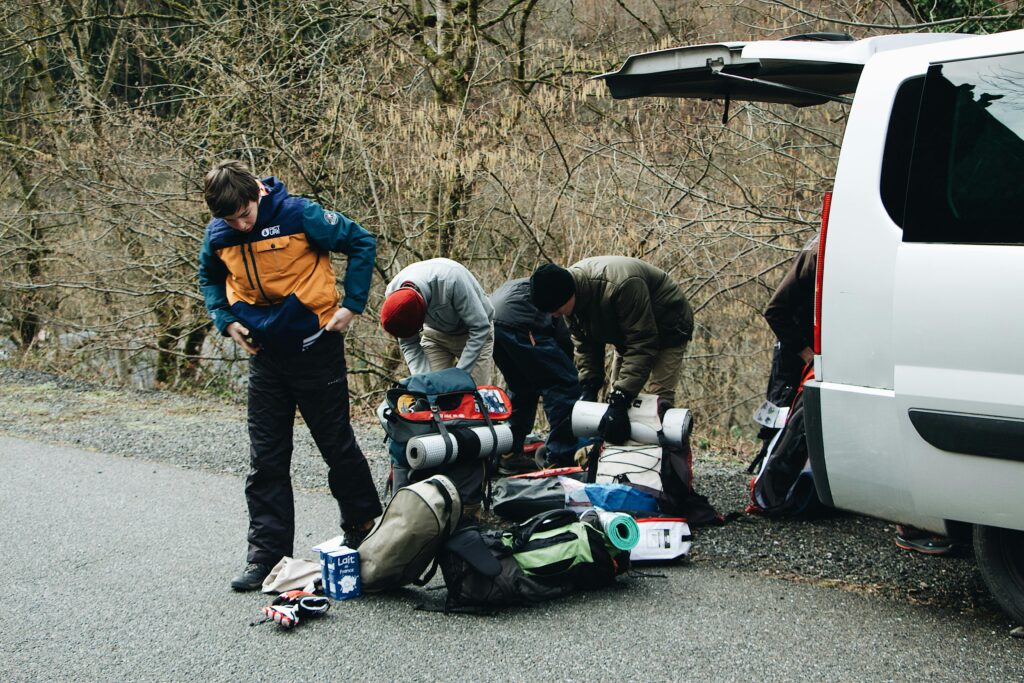
Build a Simple Outdoor Battery Survival Kit to Stay Powered
A well-prepared hiker always carries a small yet complete battery survival kit to ensure their phone can hold a charge and stay functional throughout the entire adventure. You don’t need a huge, complicated setup—a few strategic items go a long way toward preventing your phone battery from dying outdoors.
Your kit should include:
- A high-capacity battery pack
- A solar charger for multi-day trips
- A durable charging cable
- A waterproof pouch to protect electronics
- A lightweight LED lantern
- An insulating sleeve for cold weather
Insert product links with SEO-friendly anchor text:
- Best power banks for hiking and camping
- Portable solar power for multi-day adventures
- Lightweight LED camping lighting for outdoor safety
This kit helps you conserve battery power, stay prepared in cold conditions, and avoid relying solely on your phone in emergencies. With proper gear, you can confidently explore remote areas without worrying that your battery dying will leave you vulnerable. It’s one of the easiest practical ways to consistently prevent your phone dying outdoors.
Think of this kit as your phone’s bodyguard—it protects, supports, and keeps your device alive when nature tries to drain it.
Let Someone Know Your Route in Case Your Phone Dies Unexpectedly
Even if your battery settings are optimized and you pack a charger, accidents happen. That’s why letting someone know your hiking route and approximate return time is an essential safety step.
This simple habit:
- Improves rescue response time
- Ensures someone checks on you
- Protects you whether your mobile phone works or not
- Provides peace of mind when exploring alone
Tell a friend:
- Where you’re going
- When you plan to return
- What route you’re taking
If your phone dies, loses GPS, or gets damaged due to extreme temperatures, someone will know where to start looking. You don’t want to rely solely on technology—sometimes, old-school communication is the best backup plan, especially when your goal is to prevent your phone dying outdoors from turning into a serious emergency. Organizations like the Red Cross outdoor safety program also recommend route sharing as a basic safety habit.
Final Safety Tips for Hikers and Campers
Don’t Rely Only on Your Phone for Navigation or Safety
Your phone is a powerful tool, but it’s still vulnerable to battery drain, weather conditions, and terrain. Even with the best strategies to conserve battery and keep your device warm, you should never depend on it as your only navigator.
Always consider carrying:
- A paper map
- A small compass
- A printed emergency number list
These items don’t require battery, signal, or good weather. Think of them as essential insurance for when your phone is struggling, or when your device can’t handle extremely cold or extremely hot temperatures.
Real hikers use both digital tools and physical backups. Smart adventure seekers prepare for every scenario so that even if they can’t prevent their phone dying outdoors 100% of the time, they still stay safe.
Practice a Mini-Prep Checklist Before Every Trip
Before heading outdoors, follow a mini-prep routine to maximize your phone’s performance and safety:
- Charge your phone to 100%
- Charge your battery pack
- Download offline maps
- Turn on battery saver mode
- Reduce screen brightness
- Optimize battery settings
- Pack your insulating phone sleeve
- Inform someone of your route
This simple preparation ensures you don’t forget the essentials that help preserve battery, maintain battery health, and prevent your phone dying outdoors.
Consistent routines create safer, smoother adventures.
Conclusion
When exploring nature, preventing your phone dying outdoors isn’t just about convenience—it’s about safety, confidence, and preparedness. By understanding how extreme temperatures, cold conditions, direct sunlight, weak signal areas, and background activity affect your phone’s battery, you can anticipate issues before they happen.
With the right habits—like lowering screen brightness, using airplane mode, enabling battery saver, insulating your device, and packing both a battery pack and solar charger—you give yourself everything you need to stay powered during any outdoor adventure. And by carrying proper lighting, preparing a survival kit, and telling someone your route, you cover the essential safety bases that keep you protected even if your battery does fail.
Nature is unpredictable. Your preparation doesn’t have to be. With these strategies, you can explore confidently, stay safe, and enjoy every moment outdoors—without worrying about your battery dying at the worst possible time. In short, follow these tips and you’ll reliably prevent your phone dying outdoors on every trip.
FAQs
1. Why does my phone battery drain so fast outdoors?
Outdoors, your phone experiences extreme temperatures, weak signals, and increased GPS usage. Cold temperatures slow battery chemistry, while heat can damage battery health. Searching for signal, running apps, and keeping high screen brightness also cause battery drain. Using airplane mode, insulating your phone, and reducing background activity helps prevent your phone dying outdoors.
2. How can I keep my phone warm in cold weather?
To protect your phone in cold weather, keep it close to your body to benefit from body heat. Use an insulating sleeve, wool sock, or neoprene pouch. Try not to expose your device directly to freezing air. Avoid placing it near high heat sources, which may permanently damage battery capacity. Insulation helps your phone perform best outdoors and supports your efforts to prevent your phone dying outdoors in winter.
3. What’s the best way to preserve battery life during a long hike?
Start by fully charging your device, enabling battery saver mode, lowering screen brightness, and using airplane mode. Download offline maps so your phone doesn’t constantly search for signal. Bring a battery pack and solar charger to stay powered. Reducing background activity and conserving energy helps your battery last longer and prevent your phone dying outdoors during long hikes.
4. Should I rely on a solar power bank for long trips?
Solar chargers are excellent for extended adventures because they provide constant, renewable energy. While they don’t charge as fast as outlets, they’re reliable in direct sunlight and perfect for topping up your phone throughout the day. Pairing a solar charger with a battery pack ensures you never run out of power during multi-day trips and makes it much easier to prevent your phone dying outdoors far from civilization.